Paver Blocks 101: Choosing the Right Style for Driveways, Walkways & Gardens
This guide breaks down everything: shapes, finishes, load ratings, and which paver works best for your specific project.

Paver Blocks 101: Choosing the Right Style for Driveways, Walkways & Gardens
Category: Product Guide
Read time: 6 min
Tags: Paver Blocks, Construction Tips
Paver blocks are one of the most versatile materials in modern construction — yet many buyers choose the wrong type simply because they didn't know the options. This guide breaks down everything: shapes, finishes, load ratings, and which paver works best for your specific project.
Why paver blocks? Not just for looks
Unlike poured concrete or asphalt, paver blocks offer a distinct combination of strength, flexibility, and repairability. Individual units can be replaced without redoing the entire surface. They handle ground movement better, drain water more effectively when spaced correctly, and are available in styles that suit everything from industrial yards to garden pathways.
Whether you're a homeowner planning a driveway or a contractor supplying a commercial parking lot, choosing the right paver type upfront saves money, time, and long-term maintenance headaches.
The main types of paver blocks
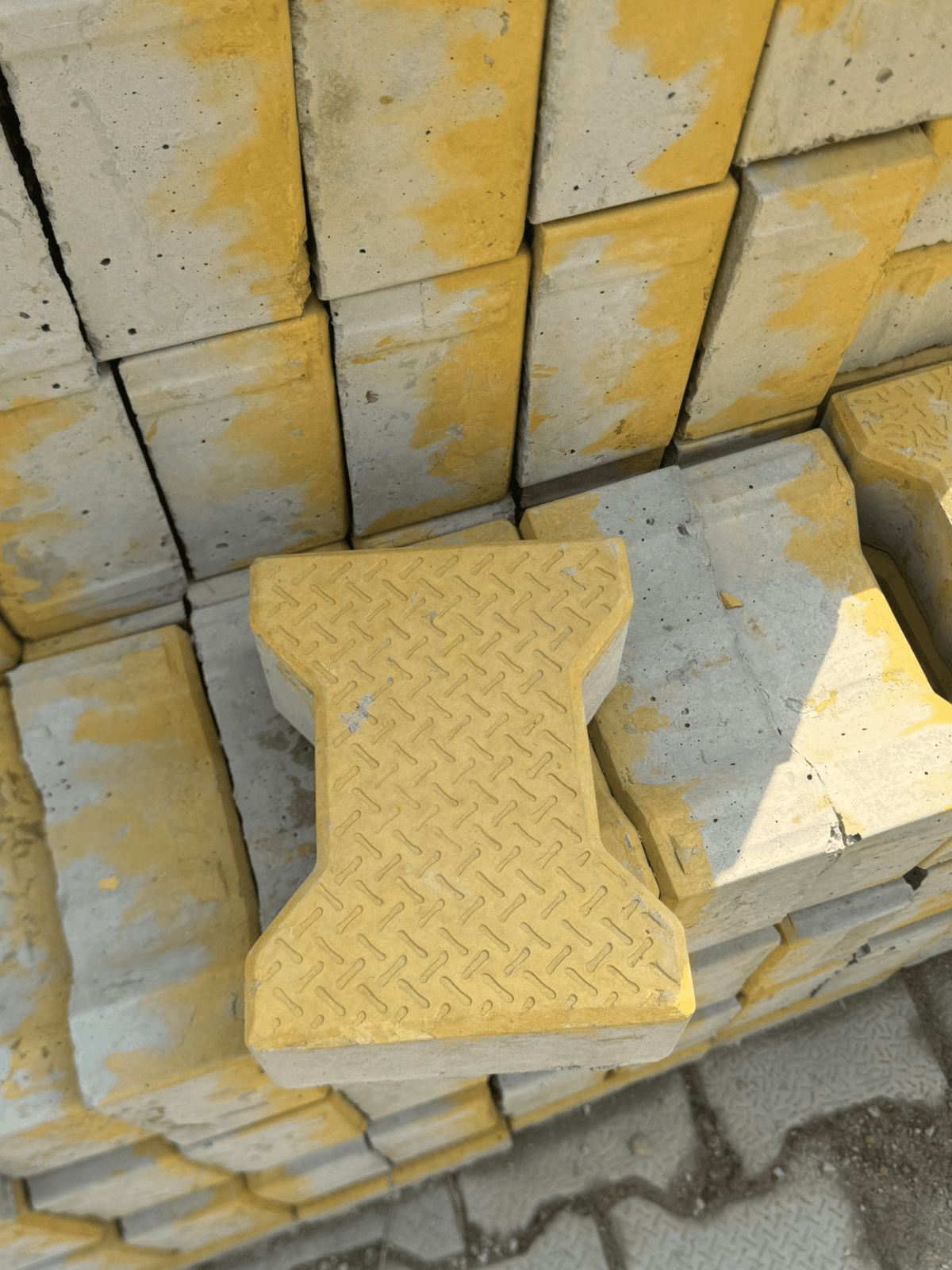
Interlocking paver blocks
Zigzag or I-shaped blocks that interlock under load, distributing weight across a wide area without cracking.
Best for: Driveways, parking lots
Cobble / square pavers
Classic square or rectangular blocks with a clean, uniform look. Easy to lay in multiple patterns.
Best for: Walkways, courtyards
Hex / designer pavers
Hexagonal or custom-profile blocks for decorative outdoor spaces. Aesthetics-first, with moderate load tolerance.
Best for: Gardens, poolsides
Permeable / eco pavers
Open-jointed blocks that allow water to pass through, reducing runoff and improving drainage in high-rain areas.
Best for: Eco paths, sloped areas
Matching paver type to application
Driveways
Driveways take the heaviest punishment — vehicle loads, oil exposure, and constant surface wear. You need pavers with a compressive strength of at least M30 grade (30 N/mm²). Interlocking blocks are the gold standard here because the zigzag profile prevents horizontal movement under load. Minimum recommended thickness: 80mm.
Pro tip: For driveways used by heavy vehicles (trucks, SUVs), ask your supplier specifically for pavers tested beyond 35 N/mm². Our factory tests every batch before dispatch.
Walkways and footpaths
Walkways prioritize slip resistance and visual appeal over raw load-bearing strength. Square or cobble pavers work excellently here — they're easy to cut at edges, come in varied colors, and allow creative pattern work. A 60mm thickness is generally sufficient for pedestrian-only paths.
Gardens and landscaping
Garden paths, patios, and decorative borders benefit most from designer-style pavers with textured or exposed aggregate finishes. Aesthetic versatility matters more here than structural specs. Permeable pavers are worth considering around trees and plants — they let rainwater reach roots naturally.
Commercial parking areas
Commercial lots require a combination of heavy-duty load tolerance and good drainage. High-strength interlocking blocks with a bedding layer of compacted sand and a sub-base of 150mm crushed stone is the standard specification for most commercial applications in India.
Laying patterns — and why they matter structurally
The pattern you choose isn't just visual. It directly affects how loads are distributed and how the surface behaves over time.
Common laying patterns:
- Running bond
- Herringbone 45°
- Herringbone 90°
- Basketweave
- Random / ashlar
Best for driveways: Herringbone 45° or 90°. This pattern maximises interlock under wheel load, resists lateral shift over time, and is recommended by most civil engineers.
Best for walkways & gardens: Running bond or basketweave for a clean, symmetrical look. Random ashlar works well for garden character and curved edges.
5 things to check before ordering
- Compressive strength grade — Ask for the N/mm² rating. M25 minimum for pedestrian use, M30+ for vehicles.
- Thickness — 60mm for walkways, 80mm for driveways, 100mm+ for heavy commercial use.
- Water absorption — High absorption means faster wear in wet climates. Ask for absorption percentage test data.
- Surface finish — Smooth for aesthetics, exposed aggregate or brushed for slip resistance outdoors.
- Color consistency — Request samples from the same batch if color uniformity matters for your project.
Common mistakes to avoid
Skipping the sub-base is the most costly mistake in paver installation. No matter how strong your pavers are, they will settle unevenly without proper compacted gravel and sand bedding underneath. Budget 20–30% of your project cost for proper sub-base preparation — it's what separates a 5-year surface from a 20-year one.
Another frequent error is ordering based on area alone without accounting for cutting waste. Add a 10% overage to your quantity estimate to cover edge cuts, breakage, and pattern offcuts.
Quick formula: Total pavers needed = (Area in m² × 1.1) ÷ individual paver area. Round up to the nearest full pack.
Ready to order?
Need paver blocks for your next project? Our team can help you choose the right specification for your site, timeline, and budget.